
In the present-day digital environment, security and efficacy of access to applications are primary necessities for businesses of any range. Okta, the world's top identity and access management solution, is a powerful SSO (Isolated Sign-On) and authentication management tool. Depending on whether you are a newcomer to Okta or an existing customer who wants to enrich the service, a lucid implementation plan and troubleshooting strategy will have a substantial impact on your success.

Forming Your Okta Implementation Plan
The first thing you need to do is set a unambiguous explicit plan which outlines the organization needs and milestones of effectuating Okta. Here’s a step-by-step leade to help you pilot through this process:
- Assessment and Goal Setting: The first step involves the thorough analysis of your current IT structure and the identification of bottlenecks. Set explicit objectives for your Okta implementation, for sample, increasing security, providing a improved user experience, or elucidating access management.
- Team Formation: A cross-functional team along with IT administrators, security experts, and key stakeholders will be included. Set the rules and obligations to be sure that people stick around responsible all through the implementation process.
- Integration Strategy: The applications and systems that will be communicating and synchronizing with Okta need to be tenacious. Make sure that the most important applications are given the main priority and then the integration phases can be scheduled according to the complexity and impact.
- Configuration and Adaptation: Revise Okta to assemble it with your organization's policies and user fluid flows. Set up SSO configurations, multi-aspect authentication (MFA), and user provisioning rules in accordance with your desired security conformity.
- User Training and Rollout: First, conduct training sessions to educate users of the benefits and features of Okta. Phased rollout strategy to reduce interruptions is suggested; it should be piloted with a group to gain maximum effectiveness before wider implementation.
- Testing and Upgrade: Run tests persistently to verify if your Okta setup runs smoothly in varying situations. Through dialogue with end-users and stakeholders, case for uncovering the coming sections for fine-tuning and documenting rearrangements.

Okta SSO Demo: Enabling effortless Access Management
The SSO is the main value of Okta that makes it one of the best. SSO empowers users to access multiple applications with a solo set of credentials. So an Okta SSO demo can help to illustrate the advantages of this:
- User Convenience: To explain to the users how they can achieve a alone login for different applications, and thus, they no longer need to remember multiple passwords.
- Administrative Control: To illustrate the centralized dashboard for IT administrators through which they can direct user access, enforce security policies, and keeper application usage.
- Strengthened Security: To tell Okta's policy-based access controls and adaptive MFA features that assure safe authentication without sacrificing user convenience.
Troubleshooting Okta: Forward-thinking Tips for Harmonious workflow
Even the most careful planning cannot prevent the difficulties related to Okta implementation or its daily operations. One of the troubleshooting tips to help you keep your Okta environment running smoothly is as follows:
- Sentinel System Logs: Okta system logs should be reviewed systematically to identify issues or anomalies in authentication attempts or application integrations.
- Stay on top of: Keep Okta and related applications up-to-date with the latest patches and versions to mitigate known issues and frailties.
- Take advantage of Okta Support: Take advantage of Okta's support resources, which include documentation, community forums, and customer support, for on-time contribution with troubleshooting complicated issues.
How to Find Okta Secret Key: A Step-by-Step Conductor
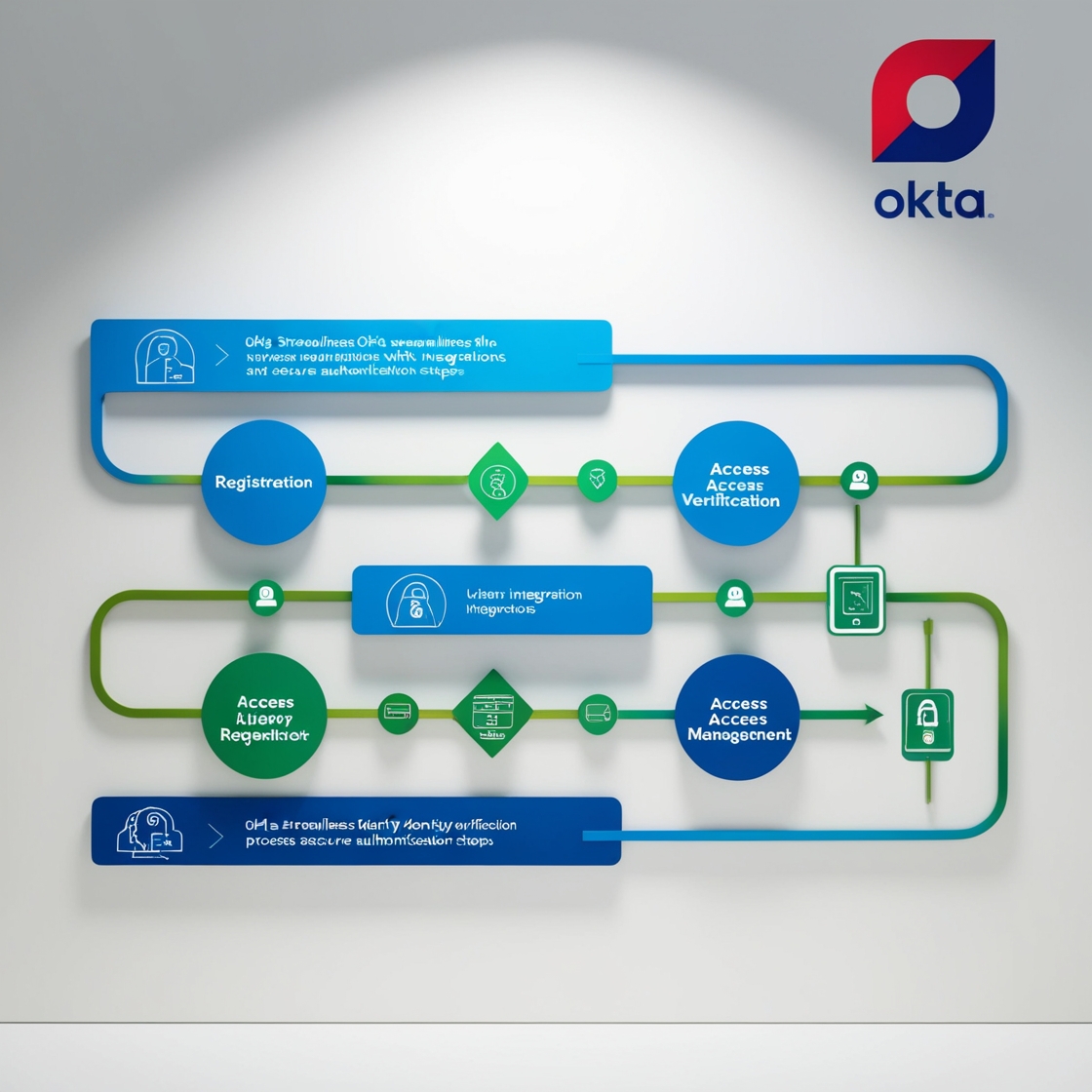
The Okta secret key is obligatory for the Okta application integrations that need to make locked API calls. Besides, this incorporates scripting automation and norm integration. Here's the way you can find your Okta secret key:
- Access Okta Admin Console: Go to your Okta Admin Console and log in making use of your administrative credentials.
- Escort to API Settings: The Admin Console under Security > API.
- Generate API Token: To generate an API token that you have not created before, click on Generate Token and follow the prompts. This token is your secret key for API authentication.
- Supervise API Tokens: Examination and conduct existing API tokens as indispensable. Certify that your tokens are properly rotated and stored in a fortified location to increase security.
Resolution
Okta adoption in an organization for SSO and authentication management requires the rigorous planning process, troubleshooting plans, and absorbing user training. A structured implementation plan, use of Okta's SSO, and management in troubleshooting methods can help organizations perfect security, optimize access management, and activate users to access applications smoothly.
Would you like to develop your organization's security posture with Okta? Tell us in the comments your reflections and episodes with the implementation of Okta and SSO!
In the upcoming publications, we will be revealing more reports on maneuvering the digital transformation phase applying modern technologies.