
With the current era of digital interconnections, the requirement for fast and reliable access to multiple applications has never been more urgent SSO systems have come to be the principal component of continuous identity and access management policies, giving users a hassle-free experience of having to log in to different platforms through one set of credentials Okta is definitely one of the best companies in this field, besides other industry leaders like Google and Salesforce If you will grant us, we shall briefly take you through the SSO space, discussing Okta's utility, its desired comparison with Google SSO, and how it connects with Salesforce
Sympathy Okta IDP-Initiated SSO
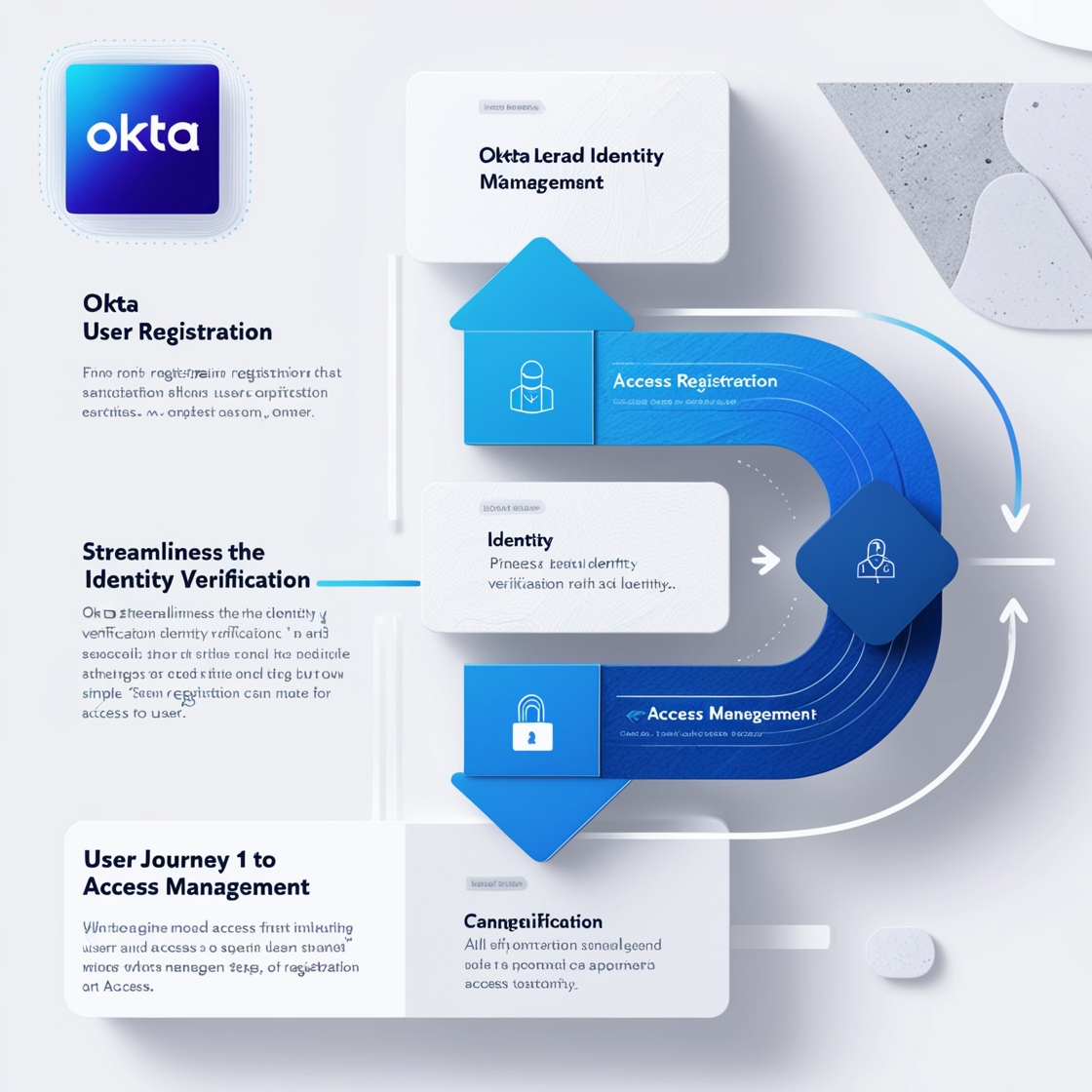
Okta, which is famous for its strong identity forum, supplies IDP-initiated SSO features that sanction for smooth user authentication across different applications.
Thanks to IDP-initiated SSO, users through Okta's identity provider (IDP) authenticate once and then the user is granted access to multiple applications without having to re-enter credentials. The new user-friendly features not only bring contentment to the end-users but at the same time, they also perform – to carry out a task or duty. as an added legitimacy to the company's security by mitigating password fatigue and possible risks related to varied points of entry.
Okta vs Google SSO: Appointing the Right Fit
In the battle of Okta versus Google SSO solutions, there are so many variables affecting the selection process that one may speak of different organizational preferences. Google SSO utilizes Google Workspace-edentials to grant for simple access to different Google services and third party applications. Businesses that rely exclusively on Google's suite of tools will profit from the system the most because of its deep integration with the company's tools.
In comparison, Okta possesses an assortment of SSO skills beyond Google services, supporting a variety of applications on different platforms and ambiance. Its adaptability and strong security features often make it a preferred choice for companies that require broad identity management solutions.
Salesforce Okta SSO Integration: Enriching Capability
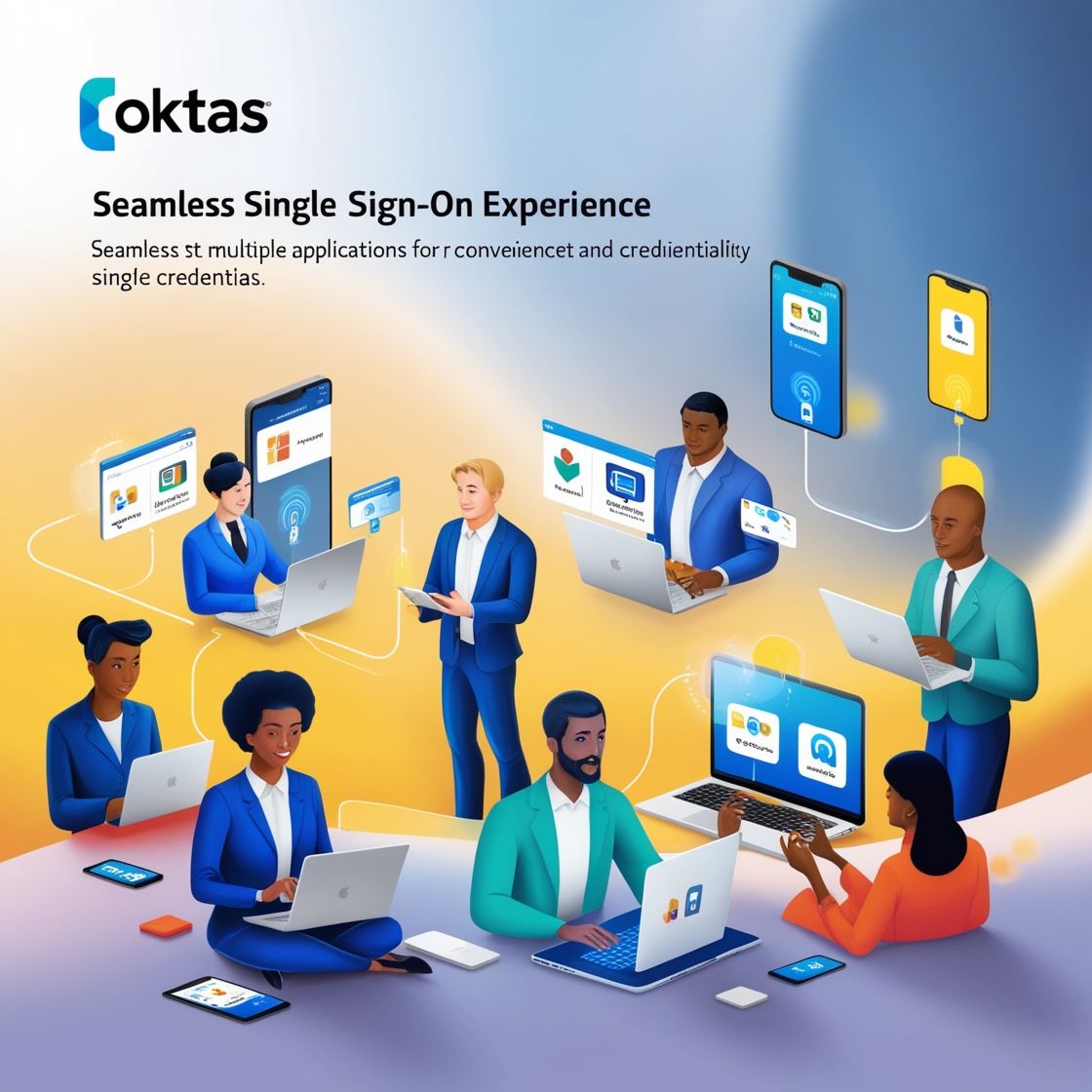
For organizations making use of Salesforce, integrating Okta for SSO brings momentous advantages. Okta’s smooth integration with Salesforce licenses users to access Salesforce applications with ease after authenticating through Okta’s IDP. This integration not only deconstructs user access but also enhances administrative competence by centralizing identity management tasks and securing steady security policies across Salesforce and other integrated applications.

Administering SSO with Okta: Optimal methods
Solitary Sign-On through Okta is best delivered in several exemplary procedures to gain the maximum advantage:
- Application Integration in a All-encompassing Manner: Okta should be integrated with all key applications to sanction SSO to be smooth.
- User Provisioning and Lifecycle Management: Take advantage of Okta's capability for user provisioning and life cycle management to automate administrative tasks and thus reduce their burden.
- Security and Agreement: Carry out strict security measurements, multifactor authentication (MFA), and follow conformity regulations in order to protect user identities as well as the fragile news.
Closing
To sum up, Okta is still the leader in SSO solutions providing organizations with the best flexibility, security, and ease of use that want to upgrade their identity and access management schemes. The value of Okta is always demonstrated through the full features that are drafted to meet the growing needs of modern businesses, depending on whether compared to Google SSO or integrated with Salesforce. The more the organizations are concentrating on productivity, security, and user experience, the more the role of SSO solutions like Okta will be the really essential in the future of digital identity management.