
It's connecting virtual domain, which remains – as in continuing to be in a particular state or position. for all the businesses not only in terms of organization size. Safe and convenient access to applications and services is as important as ever. One Sign-On (SSO) solutions have already become one of the key structures to that, as they provide both safe and more convenient login alternatives. Okta and Google SSO are two main players here and they each have their uncommon strengths and applications. Besides, the SSO integration of Salesforce with Okta is graceful more and more important for organizations that are employing Salesforce's resilient CRM platforms. Permit's pivot to these issues and find out how they are important.

Discernment Okta vs Google SSO
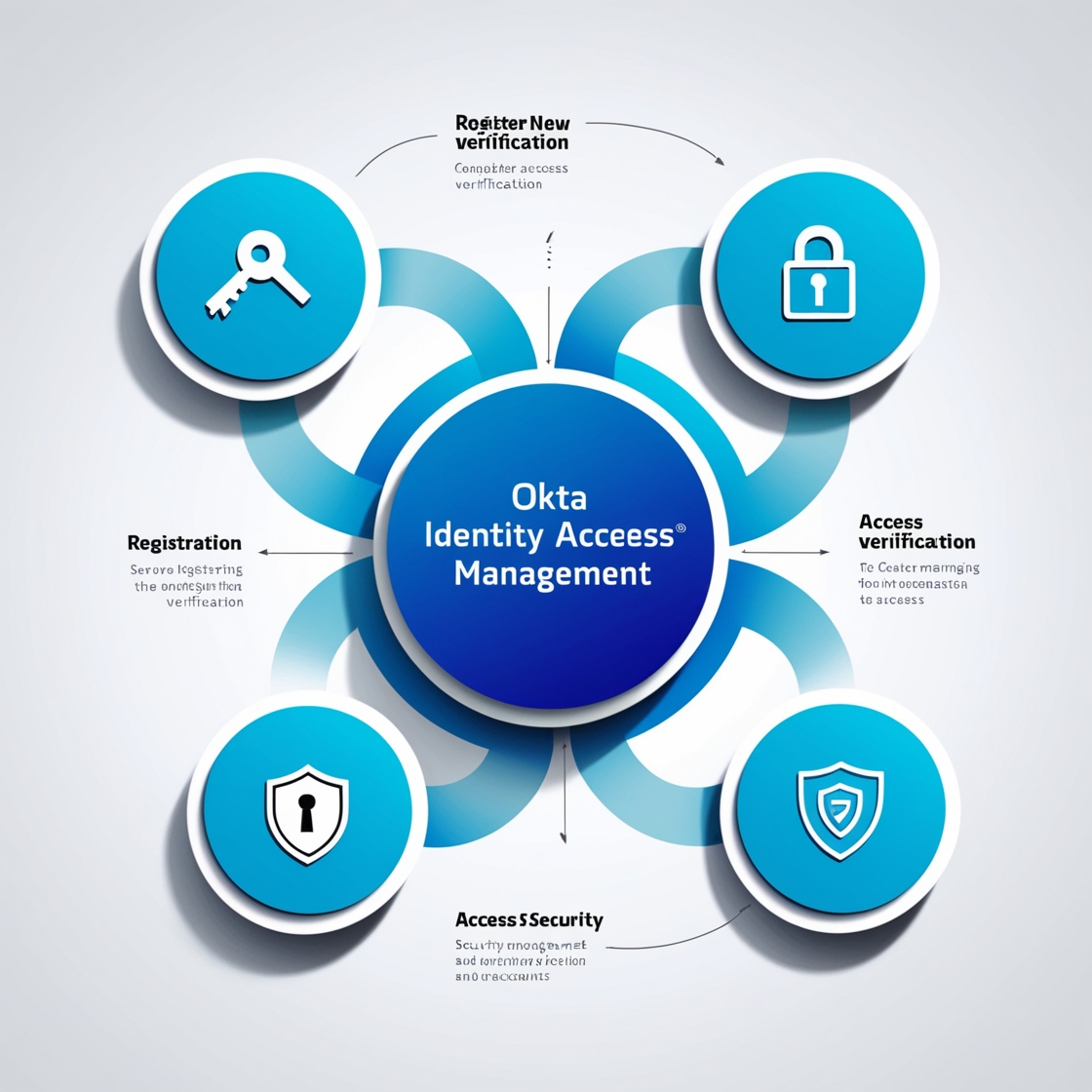
Okta SSO: Okta is famous for its all-in-one identity and access management solutions
Grant a consolidated platform for organizations to deal with user authentication and authorization across different applications is Okta. Okta supports a wide array of integrations and protocols, thus, it is very flexible for enterprises with heterogeneous IT ecosystems. Its security protections, for exemplar, multi-ingredient authentication and adaptive policies, are stringent enough to keep malicious people from connecting to the system.
Google SSO: Google SSO, which holds – as in maintaining a particular position or role. for Google Unmarried Sign-On, is a Google account authentication method used for third-party applications and services. It perfectly integrates with Google Workspace (formerly G Suite), thus, users can sign in just one time and access multiple applications in the Google ecological niche. Google SSO reduces login barriers and thus advances user usability for organizations that depend strongly on Google productivity tools.

Salesforce Okta SSO Integration
Role and Benefits: Salesforce Okta SSO integration is the collaboration between the incredible features of Salesforce CRM and Okta reliable identity management solutions. With this integration, organizations can stably and conveniently oversee user access to Salesforce applications. Users can log in via their Okta credentials, which gives them a one point of access across different systems and applications that are connected with Okta.
- Centralized Identity Management: Okta is a assured online space for organizing users and their identity access/authorization management so that all users are guaranteed access control and security policies are the same across Salesforce and other connected applications.
- Improved Security: Capitalizing on Okta's features such as adaptive authentication and real-time threat detection, organizations could mitigate risks from unauthorized access attempts as well as data breaches which may result in huge losses.
- Improved User Experience: Salesforce Okta SSO (Solo Sign-On) refines the login for users by minimizing their need to remember multiple passwords and/or credentials which consequently enhances productivity and user pleasure while safeguarding strict security standards.
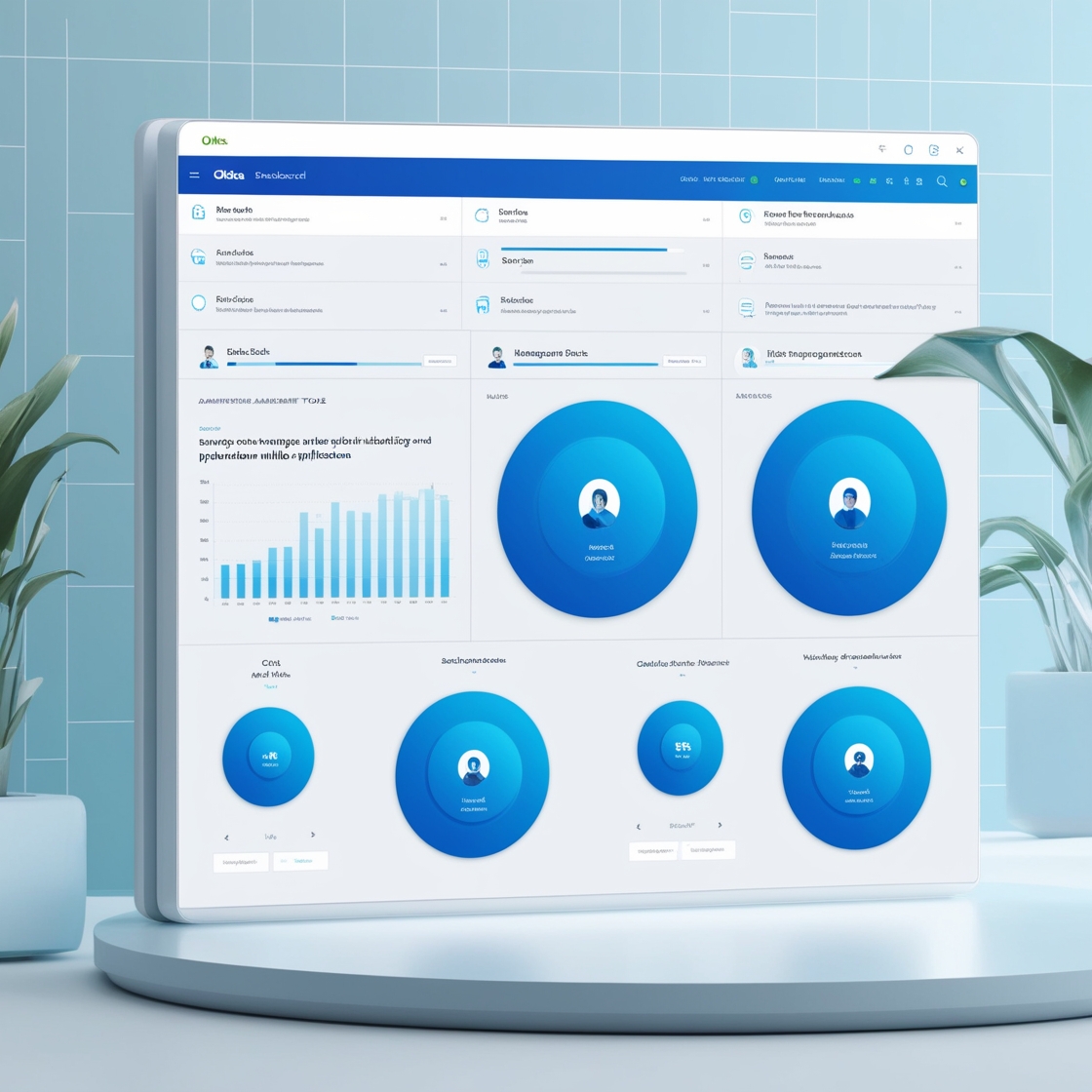
Deciding the Right SSO Solution
There are many things to assess when discussing Okta vs. Google SSO or the Salesforce Okta SSO integration.
- Integration Conditions: Be mindful of the existing infrastructure and applications that are to be integrated with the SSO solution.
- Security Needs: Check the required level of security features, incorporating obedience with regulations and protection from opportunity risks.
- User Experience: Appraise the effect of several SSO alternatives on user comfort and efficacy, in particular, a mixed-application setting.
- Scope and Cost: The solution should be elastic to support prospective expansion and the total cost should be low in the long run.
To wrap things up, Okta, Google SSO, and Salesforce Okta SSO each differ in terms of benefits and thus are developed for different organizations. The decision to choose an SSO solution is based on the user's choice of preference. Whether or not it is the preferential user experience, the strong security precautions, or the integration courses, the selection of the correct SSO solution should be in line with the business aspirations and the IT strategy. Through these technologies, organizations can get improved process efficiency as well as a stronger cybersecurity posture in an interconnected virtual domain.