
With the digital setting being intricately interconnected, the need for securing user identities across different applications and platforms is of utmost weight. Solo Sign-On (SSO) solutions like Okta have become indispensable to organizations that want to uncomplicate the process of managing access while at the same time certifying security. This blog will review the architecture, flow, setup, and the adaptive power of Okta SSO.
Okta SSO Architecture
Conversely, Okta's SSO architecture is based on the premise of a centralized identity provider (IdP) being that grants users permission to access diverse uses. Here's a reduced breakdown of its architecture:
- Identity Provider (IdP): Okta is a central IdP that grants a place where user identities can be saved safely. It authenticates users and issues tokens that prove their identity to other applications.
- Service Provider (SP): These are the applications or services that users want to get to. Rather than each SP conducting its own authentication, they set it over to Okta through standard protocols like SAML and OAuth.
- User Store: Okta can connect to different user directories such as Active Directory, and LDAP, or it can take care of users directly in its own directory.
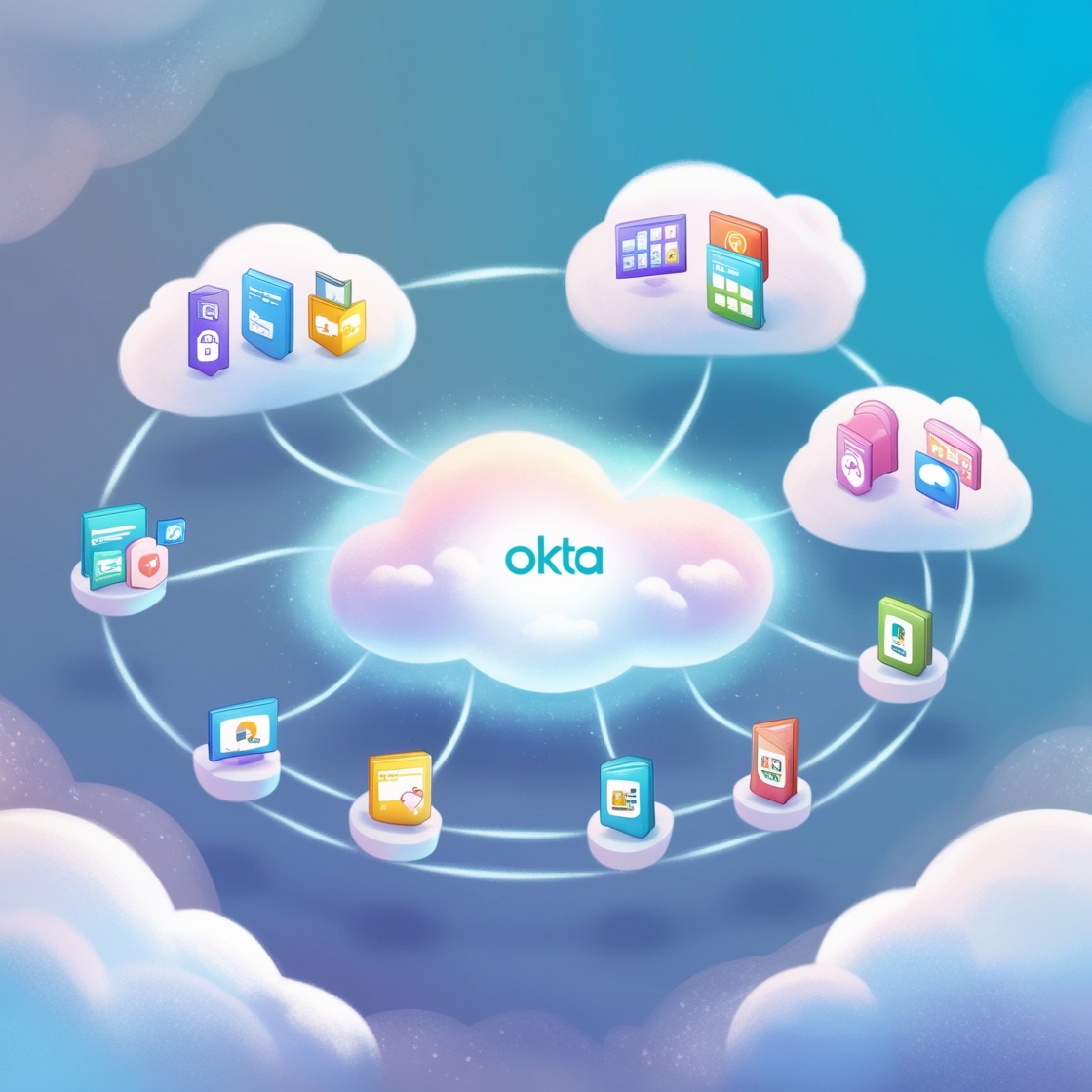
Okta SSO Flow
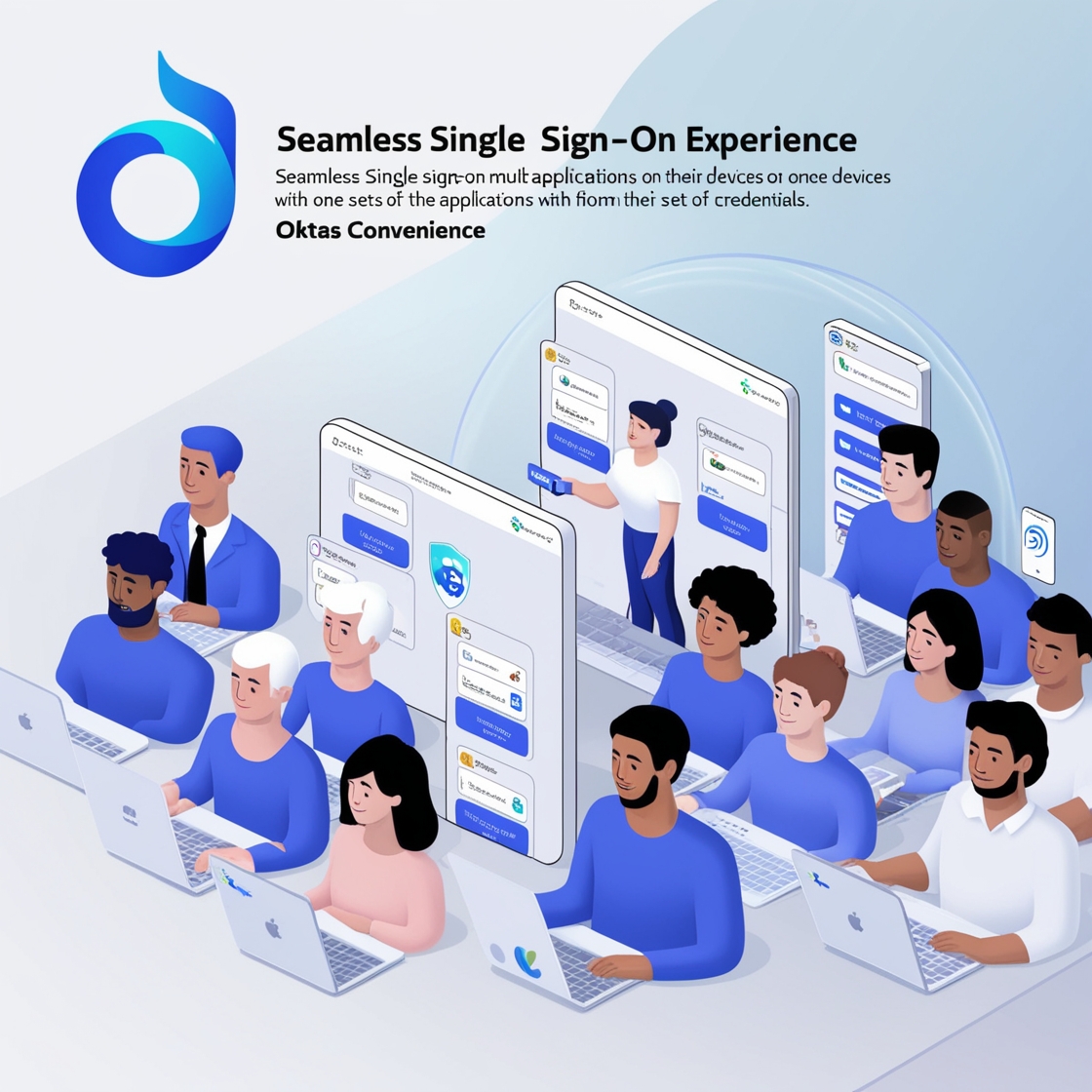
Okta SSO Flow is the usual series of steps that contains the following:
- User Access Request: The user is making a request to a service provider to access an application or service.
- Redirect to Okta: The Service Provider transfers the user to the authentication service of Okta.
- Authentication: To log in, the user will input their credentials (username/password or other factors like MFA) through the Okta interface.
- Token Generation: The credentials that Okta has checked are then validated for achieving authentication, after which the token (SAML assertion or OAuth token) is generated.
- Token Trade: The token is sent back to the Service Provider by Okta.
- Access Granted: Token verification is done by the Service Provider and the user gets access.
Setting Up SSO with Okta
To set up SSO with Okta you will need to set up both Okta as the IdP as well as applications and/or services as SPs. The following are generally configured:
- Okta
- Add Applications: Applications that you want to activate for SSO should be registered in Okta.
- User Management: Integrate with the user directories or oversee users directly in Okta.
- Policy Configuration: Pinpoint authentication policies like password conditions, MFA settings, and others.
- Service Provider Configuration:
- Assemble SAML and OAuth: Integrate each SP by configuring SAML or OAuth protocols in the Okta settings.
- Attribute Mapping: Specify how user features such as email, activity, and/or parts are transferred between Okta and SPs.
- Testing and Deployment:
- Test SSO: Carry out a full inspection to guarantee an interactive flow of authentication and access.
- Deployment: After testing has been victorious, SSO can be dispatched throughout your organization either little by little or all at once, according to your strategy.

Adaptive SSO with Okta
Adaptive SSO security is made augmented through the use of contextual elements like user location, device fingerprinting, time of access, and others to adaptively modify authentication stipulations. Okta Adaptive SSO performances release businesses:
- Risk-Based Authentication: Evaluate each risk of login and modify authorization conditions according to that.
- User Gestures Analysis: Observe the normal user conduct patterns to find any anomalies that are possibly caused by a security threat.
- Policy-Based Access Control: Adopt the access policy which is very exact and based on user properties and environmental variables.
To summarize, Okta SSO furnishes an lithe option for organizations that need to centralize identity management, get a elevated user experience, and get stronger security across their whole digital natural system. Organizations can clout this presence of Okta where they can understand how it functions, the deployment, and adaptive capacity, for the solution to address their security and operational needs in the digital-first world.