
Indubitably, today's primarily information age has made the protection of your online accounts and susceptible evidence to be the center of attention for security reasons More than ever, the consequence of security of your online accounts and receptive insight has been one of the essential elements in the digital age The tactics of safeguarding our data have to keep up with the new types of cyber threats One such a way of strengthening your security system is through Okta Multi-Influence Authentication (MFA) In this blog, we will examine what Okta MFA is, its varied choices, and how to add it to your general security to make it more rugged.
What is Okta Multi-Influence Authentication?
Okta Multi-Influence Authentication is a security step that the user must take in order to verify their identity by providing two or more verification factors to gain access to the application or the system.
Okta MFA is not like the traditional password-only authentication as it adds an extra layer of security by requiring something the user has or knows in addition to their password. This way, it becomes more difficult for capability attackers to gain unauthorized access to your account.

Why Choose Okta Multi-Element Authentication?
The main value of Okta multi-parameter authentication is the fact that it can deprive hackers of the possibility of unauthorized access to empathetic statistics. Okta MFA gives the hacker a total of two barriers to entry into your system. First, they have to have your password and second, they need the additional verification element to gain access. Okta MFA not only helps to keep touchy data stable but also minimizes the chance of breaches, thus, increasing your organization's broad security.
Okta Multi-Component Authentication Solutions
Okta grants a range of alternatives for multicorner authentication which can fit in the user's preferences as well as be upgraded according to the security needs. Among the many features provided by Okta, there are some ordinary.
- SMS and Email Verification: A very simple, customary method of conveying codes via SMS or email to the user’s registered phone number or email address.
- Authenticator Apps: Applications like Okta Verify or Google Authenticator possess TOTP that users enter during the login process. These apps provide a locked code that developments every 30 seconds.
- Biometrics: Biometrics provide fingerprint or face detection technology, which is convenient and highly assured. Besides, users can prove their identity with their one-of-a-kind physical traits.
- Hardware Tokens: Physical devices generate a one-time passcode. The use of hardware tokens has decreased these days, but they still are very protected and regularly utilized for serious systems.
- Push Messages: Okta’s push notification option allows users to receive signals on their transportable devices to approve or deny the login attempt. Thus, the authentication process becomes easier.
Setting Up Okta Multi-Component Authentication
Setting up Okta MFA at your organization is a process that requires several steps. This is a brief outline of the Okta multi-component authentication configuration:
- Access the Okta Admin Console: To kick off the configuration, log in to your Okta Admin Console.
- Sail to Security Settings: Select the Multifactor Authentication option under the Security tab in the Admin Console.
- Arrange MFA Settings: Select the MFA solutions that are in line with your organization’s security policy. You have the option to turn authentication methods on or off based on your area of direct attention.
- Set Up Policies: Set policies for when and how MFA should be enforced. Policy can be set for explicit applications, user groups, or access situations.
- Enroll Users: Users need to sign up for the selected MFA methods. Along with the interface, user-friendly Okta even advisors users to set up their preferred authentication method.
- Test and Custodian: Former to the mass deployment of Okta MFA, carry out a full test to check the proper functioning of the system. Later, keep an eye on the system for any malfunctions or user reports.
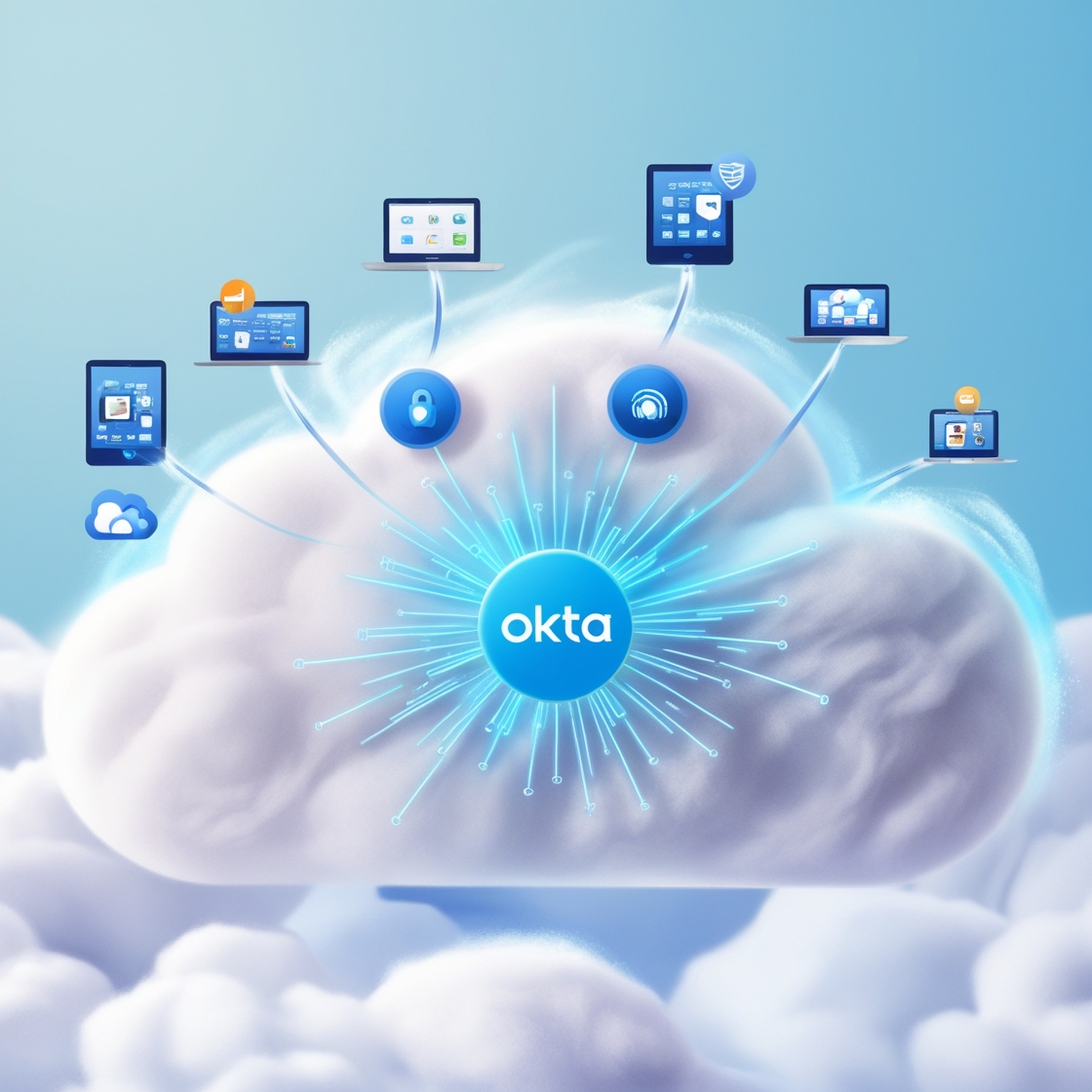
Okta Two-Influence Authentication
It is also important to point out the fact that Okta’s Multi-Determinant Authentication integrates not only the two-parameter authentication (2FA) but also the two- The MFA two-ingredient case mandates two different means of verification as well as all other MFA, 2FA is a subset of While all 2FA is MFA, not all MFA is limited to two factors. Okta gives both 2FA and other more multifaceted MFA configurations depending on your security needs.
Resolution
The inclusion of Okta Multi-Element Authentication in your security way is a energetic measure in the protection of your digital resources That being said, different choices of encryption are available, and easy installation routines contribute to this; therefore, it can be safely claimed that Okta MFA conceals both security and convenience of the users
Authentication solutions provided by Okta can help you with this process, so that you minimize the risk of unauthorized access and protect the receptive insight of your organization.
When you setting up Okta MFA for the first time or you are mulling over an upgrade to your present safety standards, the choices and features of Okta give adaptability and improved protection to meet your specifications.
For a exhaustive step-by-step implementation of Okta One-Time Password, you can visit the official documentation of Okta, or you can ask the support team to help you.
Identifiers: Okta Multi-Determinant Authentication, Okta Multi-Ingredient Authentication alternatives, Okta Multi-Aspect Authentication setup, Okta Two-Aspect Authentication